Buying Guides
Drysuit vs Wetsuit: Which One Does Your Dive Shop Need?
A wetsuit lets in a thin layer of water your body warms, while a drysuit keeps water out completely — and that difference decides the water temperature, price, maintenance and training each needs.
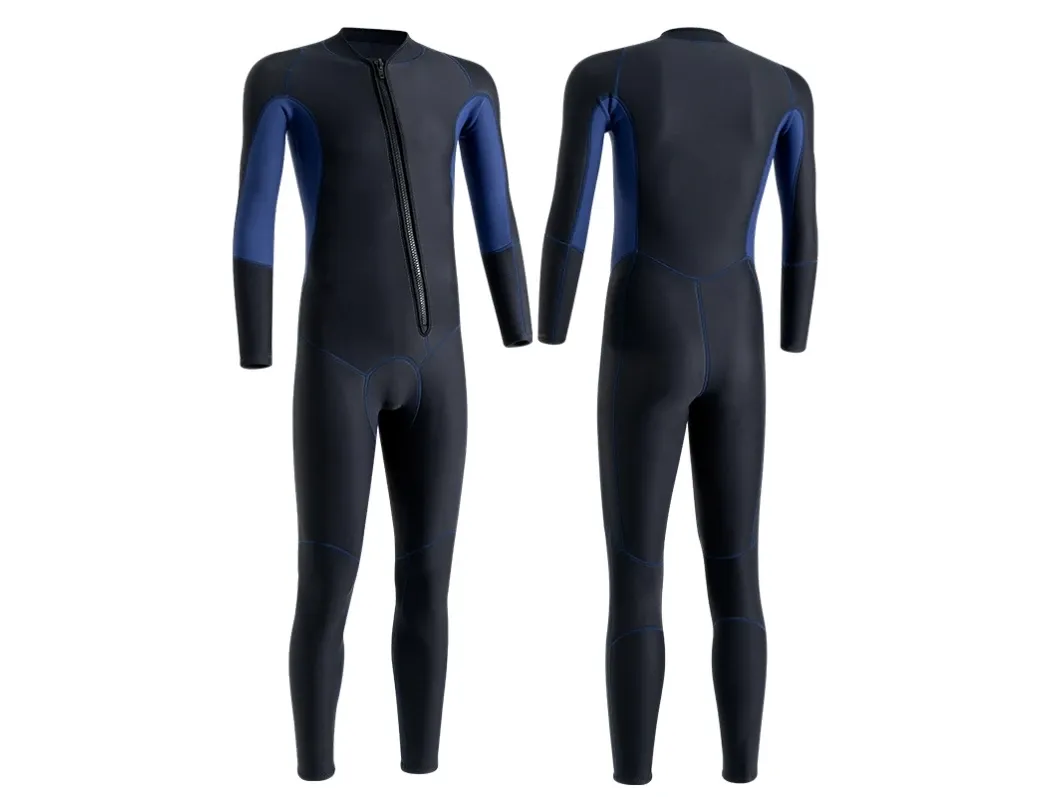
The difference in one paragraph
A wetsuit lets a thin layer of water in and your body warms it. A drysuit keeps water out completely and you stay dry underneath, wearing insulating layers under the suit.
That one difference decides almost everything else: the water temperature each one suits, the price, the maintenance, and the training your divers need. If you are stocking a rental fleet or a shop, the question is not which one is better. It is which one matches your water.
How a wetsuit works
A wetsuit is made of neoprene. It fits close to the body and lets a small amount of water in between the suit and the skin. Your body heats that water, and the neoprene slows the heat escaping. The thicker the neoprene, the warmer the suit.
Match the thickness to your water temperature:
- 1.5mm: 24°C and above
- 3mm: 20–24°C
- 5mm: 16–20°C
- 7mm: 10–16°C
A wetsuit is simple. There are no seals to replace, no valves, and no special undergarments. A diver puts it on and dives. That is why most dive shops start with wetsuits, and why most rental fleets are wetsuits.
How a drysuit works
A drysuit is a waterproof shell with seals at the neck and wrists and a watertight zip. No water gets in. The warmth comes from what the diver wears underneath — thermal undergarments that trap air. Change the undergarment and you change the warmth, so one drysuit can cover a wide range of water temperatures.
A drysuit also has valves. The diver adds air to the suit on descent to stop it squeezing, and vents air on ascent. That is an extra skill to learn, and an extra thing to check before every dive.
Drysuits are for water where a wetsuit is not enough: below about 10°C, long dives in cold water, and diving where the surface temperature is cold even if the water is not. In the UK, Scandinavia, Canada, and northern Japan, drysuits are the standard. In the tropics, they are rare.
What they cost
A wetsuit costs less than a drysuit. A 3mm wetsuit starts from USD 42, and the price depends on quantity and material. A drysuit costs several times more per suit, and the undergarments are an extra cost on top.
For a rental fleet, the maths matters. A fleet of 50 wetsuits is a very different spend from a fleet of 50 drysuits, and the return is different too. Wetsuits rent more often because more divers use them and more divers already know how to use one. Drysuits rent less often, but to divers who have no other option in cold water, and at a higher rental price.
If you are ordering either one, ask for the price by quantity and material. Our minimum order is 50 pieces, mixed sizes in one run, and production takes 25 days. Samples take 7 working days.
Maintenance and repairs
This is where the two suits are furthest apart.
A wetsuit needs little: rinse it in fresh water after diving, hang it to dry out of direct sun, and check the seams and the zip. Most wetsuit repairs are a seam or a zip, and a shop can do some of them in-house.
A drysuit needs more:
- Seals: neck and wrist seals wear out and tear. Latex seals last about a year of regular use. Neoprene seals last longer but are harder to replace. Budget for seal replacements across the fleet.
- Zips: the watertight zip is the most expensive part of a drysuit. Keep it clean, wax it, and do not force it. A zip replacement costs a large part of what the suit cost.
- Valves: the inflation and exhaust valves need checking and occasional servicing.
- Leaks: a drysuit leak is harder to find than a wetsuit leak. A small puncture can be patched, but finding it takes time.
A rental drysuit that is not maintained will leak, and a leaking drysuit is a cold, unhappy diver. If you stock drysuits, plan the maintenance time and the spare seals into your costs.
Training your divers need
A wetsuit needs no special training. Any certified diver can put one on and dive.
A drysuit needs training. A diver using a drysuit for the first time needs to learn buoyancy control in the suit, how to manage the air inside it, and what to do if air moves to the feet. Most training agencies run a drysuit specialty course, and many shops require it before renting a drysuit to a diver.
That affects your rental desk. A wetsuit can go out to any diver. A drysuit can only go out to a diver who is trained for it, which is a smaller group. If you are in cold water, most of your regulars will already be trained. If you are in warm water and thinking of adding drysuits for a winter season, check how many of your customers actually have the training first.
When a shop needs both
Some shops need both, and it is usually for one of these reasons:
- Your water temperature changes with the season. A shop in water that is 22°C in summer and 9°C in winter needs wetsuits for summer and drysuits for winter.
- You run trips to different water. A shop that runs local dives in 18°C water and trips to colder water needs both in the fleet.
- You serve technical divers. Technical divers doing long dives in cold water use drysuits even when recreational divers in the same water use thick wetsuits.
- You sell to walk-in customers as well as renting. A retail shop in a cold-water area sells drysuits to local divers and wetsuits to divers travelling to warm water.
If none of these apply, one type is usually enough. A tropical shop does not need drysuits. A cold-water shop with water below 10°C most of the year does not need a large wetsuit fleet.
Decision checklist
Answer these five questions before you order:
- What is your water temperature for most of the year? Above 16°C, wetsuits. Below 10°C, drysuits. Between 10°C and 16°C, a thick wetsuit works for most divers, and a drysuit works for longer dives.
- How long are the dives? A 45-minute dive in 12°C water is fine in a 7mm wetsuit. A 90-minute dive in the same water is a drysuit dive.
- What do your divers already use? If most of your regulars own drysuits, stock drysuits. If they own wetsuits, stock wetsuits.
- How many of your customers are drysuit trained? If the answer is very few, a drysuit fleet will sit on the rack.
- Can you maintain them? Drysuits need seal changes, zip care, and leak checks. If nobody in the shop can do that work, factor in the cost of sending suits out.
If three or more answers point to wetsuits, order wetsuits. If three or more point to drysuits, order drysuits. If the answers are split, that is when a shop needs both — wetsuits for the warm season and drysuits for the cold one.
The short version
Wetsuits are cheaper, simpler, and suit water from 10°C up. Drysuits are warmer, cost more, need more maintenance, and need trained divers. Match the suit to your water temperature first, then to your divers, then to what you can maintain.
We make both wetsuits and drysuits, to order, mixed sizes in one run, with your logo if you want it. Tell us your water temperature and how many suits you need, and we will quote you. Minimum order is 50 pieces, samples take 7 working days, and production takes 25 days.
Frequently asked questions
Does the factory make drysuits as well as wetsuits?
Yes. We make both wetsuits and drysuits to order, mixed sizes in one run, with your logo if you want it.
Which suit is right for my water?
Wetsuits suit water from 10°C up, with 3mm, 5mm, and 7mm covering most temperatures. Drysuits are for water below about 10°C, long dives in cold water, and divers who need to stay dry underneath.
What are the ordering terms?
The minimum order is 50 pieces, mixed sizes in one run. Samples take 7 working days and production takes 25 days. The price depends on quantity and material, with 3mm wetsuits from USD 42.