Buying Guides
How to Choose Wetsuit Thickness for Your Brand
A practical guide for brands comparing wetsuit thickness, neoprene, seams, panel design, sizing and OEM development requirements.
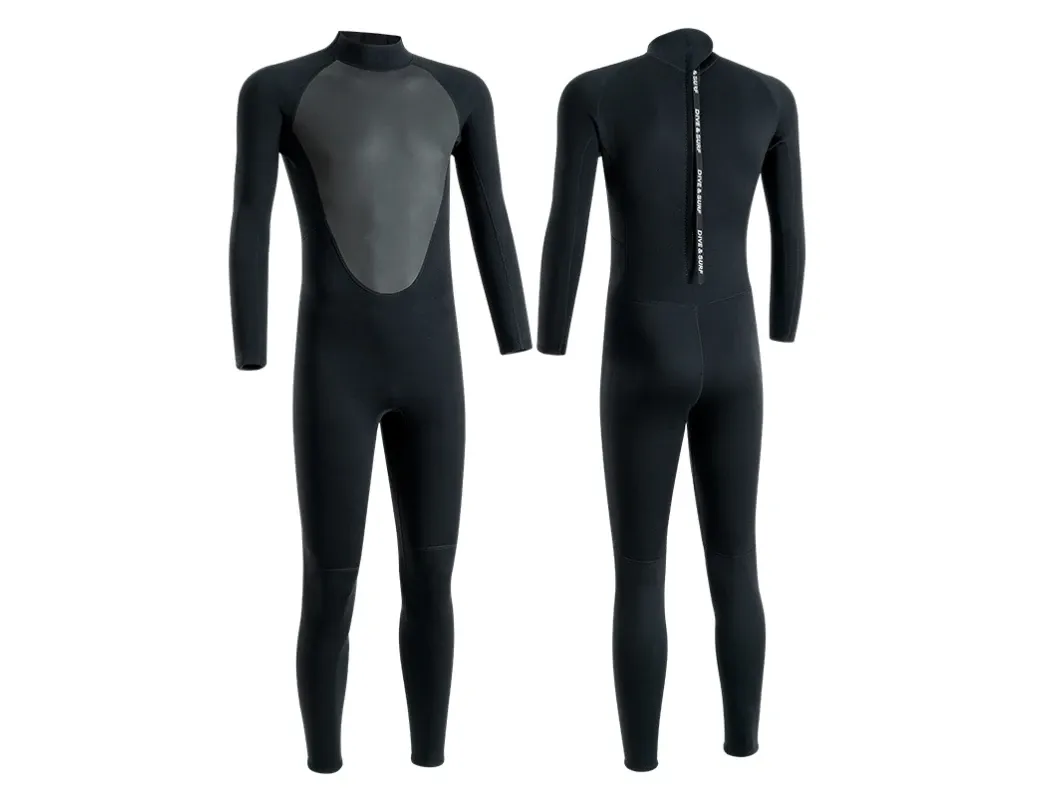
How to Choose Wetsuit Thickness for Your Brand
Choosing the right wetsuit thickness is one of the first decisions in a custom wetsuit project. It affects warmth, flexibility, weight, construction and the way customers experience the finished product. However, thickness should not be selected from a temperature chart alone. Two wetsuits marked 3mm can perform differently because of their neoprene, lining, seams, panel layout, entry system and fit.
Start With the Application
Define the product’s main use before selecting thickness. A diving wetsuit, surf wetsuit, rental suit and spearfishing suit may share a thickness but require different patterns and construction.
Before requesting a sample, clarify the activity, target market, session length, expected conditions and whether flexibility, thermal protection, durability or easy dressing is the priority.
Common Thickness Options
1.5mm and 2mm are commonly considered for warm-water products, lightweight layers, jackets and shorties where mobility is important.
2.5mm and 3mm are versatile options for diving, surfing, snorkeling and general water-sports programs. A 3mm platform may be developed as a full-body suit, shorty, hooded front-zip suit, children’s two-piece suit or accessory.
5mm neoprene is generally selected when buyers need greater thermal protection. It is common in full suits, hooded suits, cold-water accessories and two-piece spearfishing products. Pattern engineering and fit become especially important as material thickness increases.
Heavier constructions require careful review of fit, entry, seams, seals, flexibility and the complete layering system. Validate the design through samples and wear testing rather than relying on thickness alone.
Uniform vs. Mixed Thickness
A wetsuit does not always need the same thickness in every panel. Mixed-thickness construction can balance insulation and mobility by using warmer torso panels and more flexible material around high-movement areas. Clearly specify the thickness required in each body zone and how the product name will describe the combination.
Neoprene Quality Matters
Thickness is only one part of the material specification. Neoprene options can vary in stretch, compression behavior, density, hand feel, durability and cost.
Ask the manufacturer about foam type, stretch and recovery, exterior and interior linings, available colors, branding compatibility and suitability for the intended application. If a premium branded neoprene is requested, confirm its exact specification and availability.
Seams, Fit and Size Grading
Flatlock, glued-and-blind-stitched and other seam constructions serve different water-exposure requirements and price positions. Include the approved seam method in the sample specification.
A warmer material cannot correct poor fit. Provide the target customer, required size range, target-market measurements and fit preference. Test physical samples on appropriate fit models before bulk production.
Build a Clear OEM Brief
A useful inquiry should include:
• Product application
• Target market and customer type
• Preferred thickness or range
• Product format and entry system
• Preferred neoprene, lining and seams
• Size range
• Color and logo requirements
• Estimated quantity
• Target timing and destination market
If details are undecided, send a reference design and explain the performance and price position you want to achieve.
Validate Before Production
Before approving bulk production, check material and thickness, fit, range of motion, seams, zipper function, reinforcement placement, logo position, color consistency, labels and packaging. Record requested changes and confirm the updated specification.
Final Takeaway
The best wetsuit thickness is the one that fits the product’s application, market, material, pattern and construction—not simply the largest number on a chart.
FLEX supports OEM and ODM wetsuit development for diving, surfing, spearfishing and other water-sports markets. Send your application, preferred thickness, target market, estimated quantity, size range and branding requirements for project review.
Ordering
MOQ is 50 pieces, mixed sizes in one order. Samples are ready in 7 working days, and production takes 25 days. For more ordering details, see our FAQ, our factory page, and our product range.
Products: https://flexwetsuit.com/productsMaterials: https://flexwetsuit.com/materialsFactory: https://flexwetsuit.com/factoryContact: https://flexwetsuit.com/contact-us Diving Wetsuits