Buying Guides
Wetsuit Zips Explained: Back Zip, Chest Zip and Front Zip for Dive Shops and Brands
Back zips are easiest for rental fleets, chest zips seal warmest, and front zips sit in between. Ask for the zip brand and size, reinforced ends and spare pull cords, and check them on the sample.
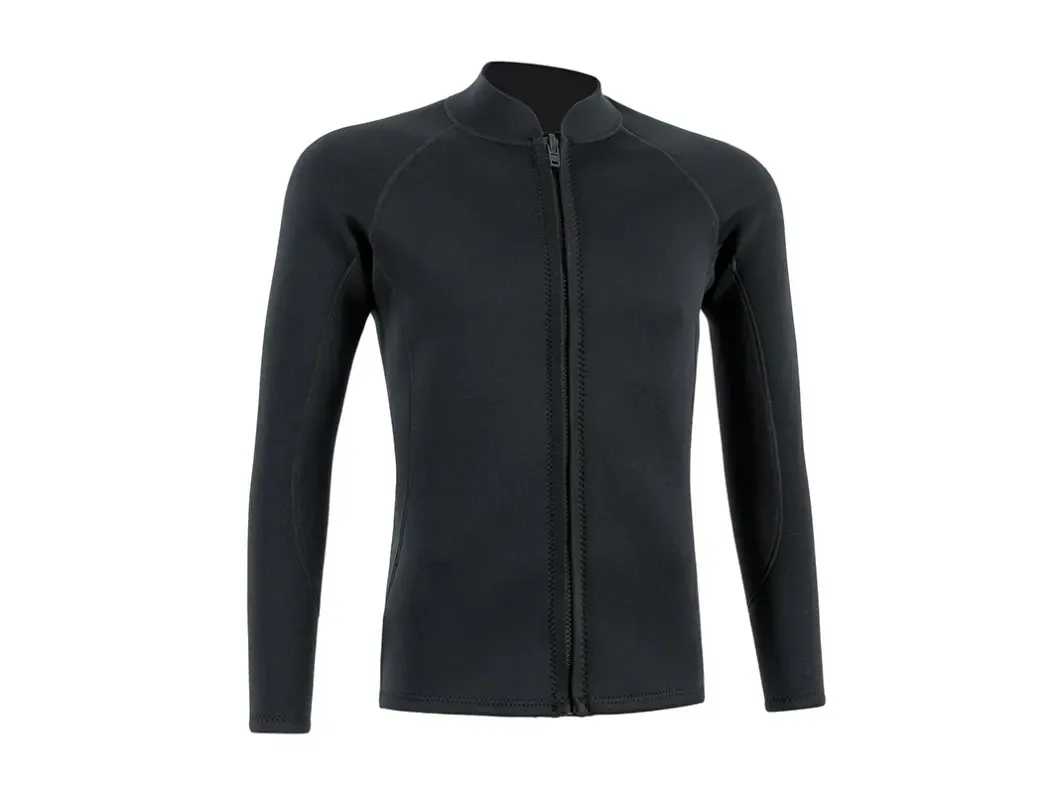
A wetsuit's zip decides two things your customers notice on day one: how easy it is to get in and out of, and where water gets in. For a dive shop ordering rental suits or a brand specifying an OEM run, the zip is not a detail to leave to the factory. Here is what each type does, and which one fits which use.
Back zip: the rental-fleet workhorse
The classic. A long zip runs down the spine, usually with a pull cord or leash so the diver can reach it alone.
- Easiest to put on and take off. That matters for rental fleets and training: students and first-time divers struggle least with a back zip.
- Fastest to dry and inspect. A long straight opening makes the suit easy to turn, rinse and check between hires.
- Trade-off: the zip sits where the diver bends, so it is the most common entry point for cold water. A good storm flap and a tight-fitting neck reduce this, but a back zip will never seal as well as a chest zip.
Best for: rental fleets, dive schools, entry-level retail suits, and any suit where many different bodies share the same piece.
Chest zip: the warmest seal
The zip runs across the upper chest, usually in a slight curve, with a small neck entry above it. The diver steps in through the neck, then closes the chest.
- Least water entry. With no long zip along the spine, the suit seals better around the torso. In 5mm and 7mm suits this is a real warmth difference.
- More flexible back panel. No zip interrupting the spine means the neoprene stretches freely where the diver bends.
- Trade-off: harder to get in and out of, especially for larger divers or anyone with limited shoulder mobility. It also costs more to make, because the pattern is more complex.
Best for: colder-water suits (5mm and 7mm), experienced divers, and brands selling a premium fit.
Front zip: the compromise
A shorter zip runs down the centre of the chest. It opens wide enough to step in, then closes with a storm flap.
- Easy entry, better seal than a back zip. The chest panel stays flexible and the zip is short, so less water gets in.
- Good for shorties and warm-water suits. Most 3mm shorties and warm-water full suits use a front zip.
- Trade-off: the zip can press against the chest when the diver lies prone, and a cheap front zip is the first thing to fail on a rental suit.
Best for: warm-water diving, shorties, and surf-style suits where the wearer is often lying flat.
What fails first, and what to ask the factory
On a rental fleet, the zip fails before the neoprene does. When you order, ask for three things:
- Zip brand and size. A #10 zip lasts longer than a #8 on a thick suit. Ask the factory to name the zip it uses.
- Reinforced zip ends. The top and bottom of the zip run take the most stress. A small fabric patch or bartack there adds months of life.
- Spare pull cords. Cords snap; a bag of spares costs almost nothing and keeps suits in service.
How to specify zips on your order
Tell the factory three things: the thickness, the zip type, and who wears the suit. A 3mm rental shorty wants a front zip. A 5mm training suit wants a back zip. A 7mm cold-water suit wants a chest zip. If you are not sure, a back zip is the safe default — it fits the most bodies and is the easiest to repair.
We make all three zip types to order, in mixed sizes, with your logo. Minimum order 50 pieces, samples in 7 working days, production in 25 days. Contact us with the thicknesses and sizes you need, and we will quote for your next order. Diving Wetsuits