Buying Guides
Neoprene Types Explained: Yamamoto vs Limestone vs SCR vs SBR
Yamamoto is the premium option, limestone the lower-carbon alternative, and SCR and SBR the durable workhorses. Match material to the suit's job; for rental fleets, durability and cost come first.
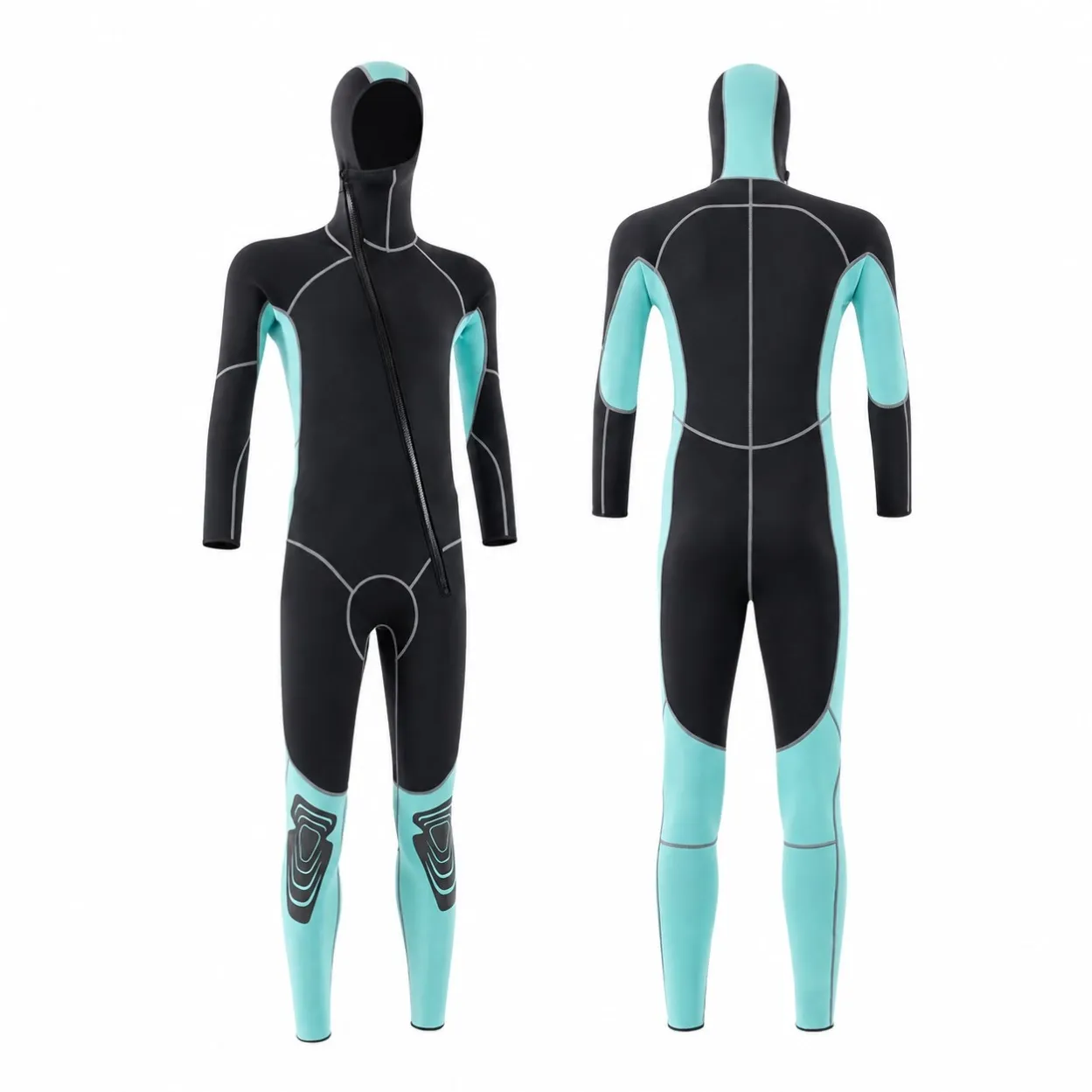
Neoprene Types Explained: Yamamoto vs Limestone vs SCR vs SBR
When a dive shop or brand asks for a wetsuit quote, the first question back is usually about the material: Yamamoto, limestone, SCR or SBR? The four names sound technical, but the choice is practical. Neoprene is the foam rubber layer that keeps the diver warm, and the type decides how the suit feels, how much it stretches, how long it lasts and what it costs. FLEX Wetsuits works with all four, from its factory in Dongguan, Guangdong, China, with more than 10 years of experience, over 100 skilled workers, and a monthly capacity of more than 50,000 pieces. Here is what each type means.
What is Yamamoto neoprene?
Yamamoto is the premium name of the four. It is a Japanese neoprene that is generally known for a soft feel and good flexibility, which is why it is often chosen for high-end diving, surf and triathlon suits, where fit and freedom of movement matter most. A suit that moves with the diver instead of resisting every stroke is easier to swim in. Yamamoto is also the most expensive of the four, so it suits brands that sell on quality and comfort rather than on price. There is no fixed price list: the price is set by quantity and material, with 3mm wetsuits starting from USD 42, so the premium is part of the quote, not a fixed surcharge.
What is limestone neoprene?
Limestone neoprene is made from limestone rather than from petroleum, and it is generally described as a softer and more flexible alternative to standard petroleum-based neoprene. For many buyers it is the middle ground: a better feel than the standard materials, without the premium price of Yamamoto. It is a common choice for dive shops and brands that want a suit that feels good on the customer but still has to work at a sensible price. It is available in the usual diving thicknesses of 3mm, 5mm and 7mm, and surf thicknesses of 1.5mm, 3mm and 5mm. For how thickness relates to water temperature, see the materials guide.
What are SCR and SBR neoprene?
SCR and SBR are the workhorse materials of the wetsuit world. They are standard synthetic rubbers, widely used in wetsuits, and they are generally the most economical of the four. What they give up in softness they make up for in durability and price: a suit that is pulled on and off every day, rinsed, hung up and sent out again needs to be tough, and that is where SCR and SBR earn their place. They are the usual choice for rental fleets, training suits and entry-level ranges, where the suit has to survive heavy use and the budget has to stretch across many sizes. The minimum order is 50 pieces, and sizes can be mixed in one run, so a whole fleet can be built in one order.
Which neoprene should you choose?
Match the material to the job the suit has to do. For a rental fleet, durability and cost come first, so SCR or SBR is often the practical choice. For a brand selling its own line of dive suits, limestone is often the middle ground, and Yamamoto is the choice when the suit is sold on feel and performance. For triathlon, where flexibility matters most, the softer materials are usually preferred. For cold-water diving, thickness matters as much as the material: a 5mm or 7mm suit in any of the four will be warmer than a 3mm suit in the softest neoprene. A full guide to choosing thickness is in how to choose wetsuit thickness for your brand.
The honest answer is that there is no single best neoprene. The right choice depends on the water the suit will be used in, who will wear it, how often, and what the budget allows. That is why the first message to a manufacturer should include the application, the thickness, the quantities and the budget — it is the only way to get a useful recommendation and a useful price. Send the details, and the factory makes a sample in 7 working days; production takes 25 days once the sample is approved. A full checklist is in the guide on what to send a wetsuit manufacturer for a quote. The factory also makes drysuits, so a brand that starts with wetsuits can add a cold-water range later from the same supplier. For how the factory works, see the factory page, and for common questions about ordering, samples, and lead times, see the FAQ page.
To start an order, email sophia@flexwetsuit.com or WhatsApp +86 13215318778 (Mon–Sat 09:00–18:00 GMT+8). Or send an enquiry through the contact page. Diving Wetsuits