Buying Guides
Shorty vs Full Wetsuit: When to Recommend Each One
Shorty or full suit, and when each one is the right recommendation: water temperature, warmth, protection, mobility, and how a dive shop should split its rental fleet and its range between the two.
The short answer
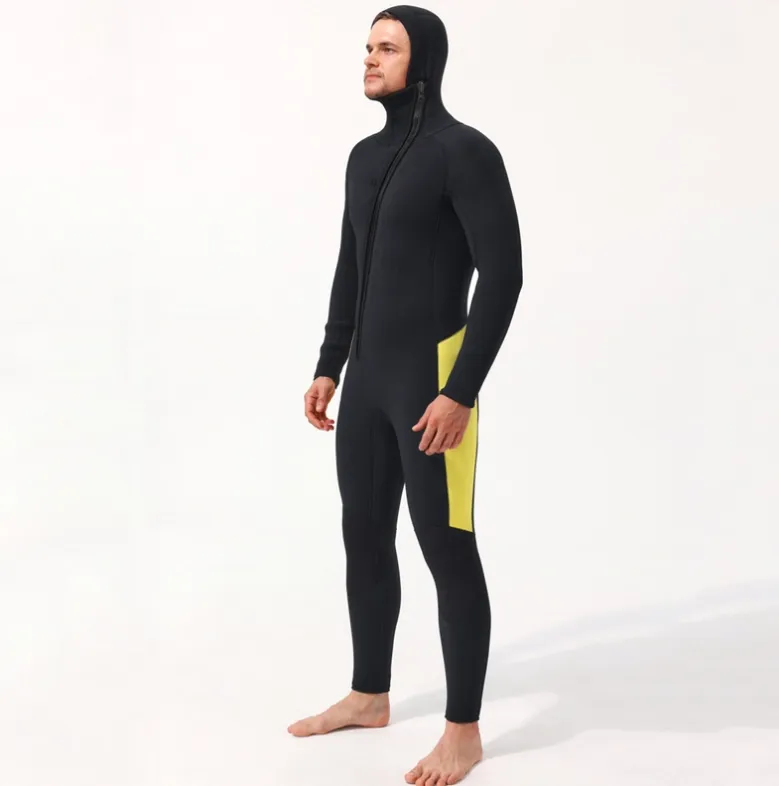
A shorty and a full wetsuit do the same job with different coverage. A shorty covers the torso, with short arms and short legs. A full suit covers the arms and legs to the wrists and ankles. That difference decides warmth, protection, and how freely a diver can move.
For a dive shop, the question is rarely which one is better. It is which one fits the water, the diver, and the dive. Get that right and the customer is warm and comfortable. Get it wrong and the customer is cold, or fighting a suit that is heavier than the dive needs.
What coverage changes
Covering the arms and legs changes three things.
First, warmth. Most body heat is lost from the torso, but the arms and legs are a large surface. A full suit keeps a diver warmer than a shorty of the same thickness, because there is simply less skin in the water. In water where a 3mm shorty is enough for a short swim, the same diver on a long dive will feel the cold in the arms and legs first.
Second, protection. A full suit protects the arms and legs from sun, scrapes on rock and coral, stings, and rash from a BCD strap or a tank. A shorty leaves the lower arms and legs exposed. For a diver who kneels on the bottom, climbs a boat ladder, or walks over rock to the entry point, that protection matters.
Third, mobility. A shorty is easier to put on and take off, and it leaves the arms and legs free. For warm-water diving, snorkelling, and surface swimming, that freedom is the reason divers choose a shorty. A full suit is more restrictive, and a diver who does not need the warmth will feel it.
None of these is a reason on its own. The water temperature decides first, and the dive decides second.
Water temperature is the first filter
Use the water, not the catalogue, to choose.
In warm water, 24°C and above, a 3mm shorty is the usual choice for a relaxed dive. The diver stays warm enough, and the suit is easy to get in and out of between dives. Many dive shops in warm locations rent shorties as their main suit for exactly this reason.
In cooler water, 20–24°C, the choice depends on the length of the dive and the diver. A 3mm full suit is the safer recommendation for a long dive, a deep dive, or a diver who feels the cold. A shorty works for a short dive in the same water, but the diver will cool down faster.
In cold water, 16–20°C and below, a full suit is the right answer. A 5mm full suit is the usual choice for 16–20°C, and 7mm for 10–16°C. A shorty has no place as the main suit in cold water, whatever the thickness, because the uncovered arms and legs lose heat too fast. For more on matching thickness to water, see the guide on how to choose wetsuit thickness for your brand.
A shop that recommends by water temperature first, and by the dive second, rarely gets it wrong.
Where a shorty earns its place
A shorty is the right recommendation when the water is warm, the dive is short, and the diver values freedom of movement.
It suits snorkelling, surface swimming, and warm-water diving, where the diver is in the water for under an hour and the air is warm between dives. It suits divers who run warm, and divers who dislike the feeling of a full suit. It suits rental fleets in warm locations, because it is quick to put on, quick to rinse, and quick to dry. A shorty also suits a shop that sells to holiday divers, who want a light suit they can pack in a bag.
A shorty has limits a shop should be honest about. It does not keep a diver warm on a long dive, it does not protect the legs on a rocky entry, and it does not suit a diver who feels the cold. Recommending a shorty in water that needs a full suit is the fastest way to lose a repeat customer.
Where a full suit earns its place
A full suit is the right recommendation when the water is cool, the dive is long, or the diver needs protection.
It suits scuba diving in most conditions, because a dive lasts long enough for the arms and legs to cool. It suits deeper dives, where the water is colder at depth and the diver stays down longer. It suits cold-water locations, night dives, and wreck dives, where the diver is in the water a long time and may touch metal or rock. It suits divers who feel the cold, and divers who want sun and sting protection on every part of the body.
A full suit is also the better rental suit in most locations. A diver who is cold will blame the shop, not the suit. A full suit gives the shop a margin of warmth that a shorty does not. For a rental fleet, that margin is worth more than the extra drying time.
How to split a rental fleet
Most rental fleets need both, in different proportions.
A warm-water shop can run mostly shorties, with a set of full suits for divers who feel the cold, for long dives, and for the cooler months. A cool-water shop should run mostly full suits, with a small set of shorties for the warmest days and for snorkellers. The split should follow the water, not the catalogue. Check the rental logbook before ordering. It shows which suits go out and which ones stay on the rack.
Sizes matter as much as the split. A shorty that does not fit is no better than a full suit that does not fit. Keep the size run complete in both styles, so a diver is never squeezed into the wrong size. For how to get the fit right, see the guide on wetsuit sizes for a rental fleet.
How to plan a range as a brand
A brand that sells both styles needs to think about them as one range, not two separate products. The two styles should share the same neoprene, the same seam construction, and the same sizing, so a customer who owns a full suit can buy the shorty in the same size with confidence. The logo and labelling should match, so the two styles look like one brand on the shelf. A brand that launches with one style first should plan the second from the start, so the pattern, materials, and size grading can carry over without starting again.
Fit notes that apply to both
A shorty and a full suit fit the same way at the torso. The neck, the shoulders, and the chest decide whether the suit keeps water out. A suit that is loose at the neck lets cold water flush through, whatever the style. A suit that is tight at the shoulders restricts the diver and makes the zip hard to close.
The difference is in the arms and legs. On a full suit, check the wrists and ankles. They should sit close to the skin without cutting in. On a shorty, check the sleeve and leg ends. They should sit flat, without riding up when the diver moves. A shorty with sleeves that ride up is a shorty that lets water in at every movement.
Zips deserve the same attention in both styles. A back zip is easy to put on, a front zip is easy for the diver to manage alone, and a chest zip keeps the back clean. For the differences between zip types, see the guide on wetsuit zips explained.
The short version
A shorty is for warm water, short dives, and divers who want freedom of movement. A full suit is for cool water, long dives, and divers who need warmth and protection. Recommend by water temperature first and by the dive second. A rental fleet needs both, in proportions that follow the water, with a complete size run in each style. A brand should plan the two styles as one range, with the same materials, sizing, and branding.
If you are planning a range or a fleet and want a quote, tell us your water temperature, which styles you need, and your size split. We make wetsuits to order, mixed sizes in one run, with your logo if you want it. MOQ is 50 pieces, samples take 7 working days, and production takes 25 days.
Frequently asked questions
When should a shop recommend a shorty instead of a full suit?
When the water is warm, 24°C and above, the dive is short, and the diver values freedom of movement. A shorty suits snorkelling, surface swimming, and warm-water diving. For long dives, deep dives, or water below 20°C, a full suit is the safer recommendation.
Should a rental fleet stock both styles?
Yes, in most locations. A warm-water shop can run mostly shorties with a set of full suits for divers who feel the cold and for the cooler months. A cool-water shop should run mostly full suits with a small set of shorties for the warmest days. Check the rental logbook before ordering, so the split follows real demand.
Do a shorty and a full suit fit the same way?
At the torso, yes. The neck, shoulders, and chest decide whether the suit keeps water out. On a full suit, also check the wrists and ankles. On a shorty, check that the sleeve and leg ends sit flat and do not ride up when the diver moves.